Stockholm Day Tours
I’m Serious Day Tour Man AI, your day trip expert. Ask me anything — where to go, how to get there, and what’s actually worth your day.
Stockholm’s day trips mostly involve boats, which makes sense for a city built across fourteen islands at the mouth of a 30,000-island archipelago. The royal palace is reached by steamer. The Viking age is reached by ferry. The big decision is which archipelago island to visit — you can only land on one in a day, and the answer is below. On land, Sweden’s Oxford is forty minutes north with royal burial mounds on its edge, and the country’s oldest town sits an hour away.
One planning note matters most: the boats follow the seasons. Summer runs the full schedules; winter cuts most of them. The museums stay open year-round, and the best one in Scandinavia is right in town.
Here’s what’s worth a day, with real times and honest trade-offs.

Popular Day Trips
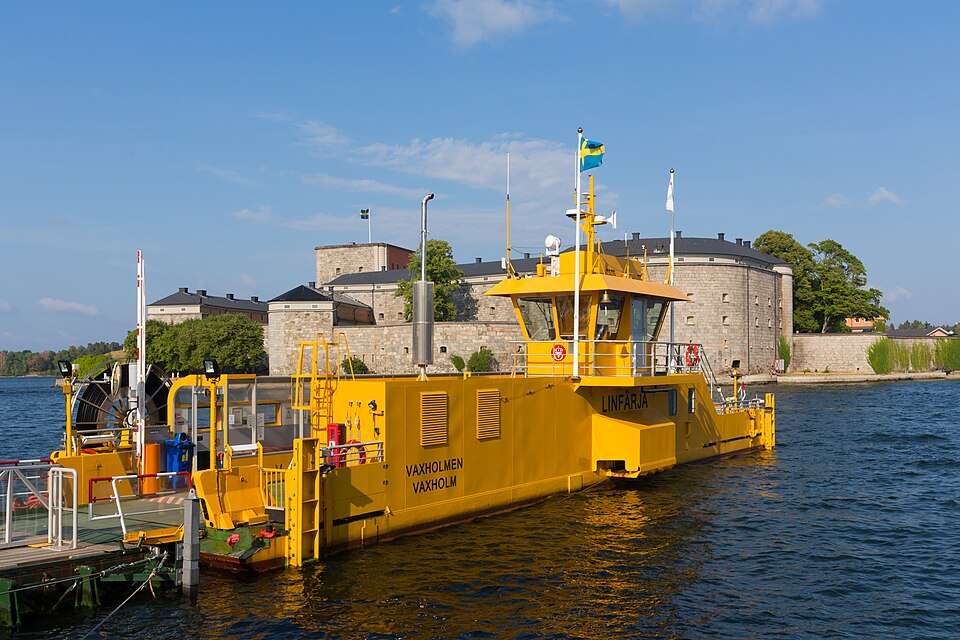
Vaxholm
The Archipelago Boat, the Fortress
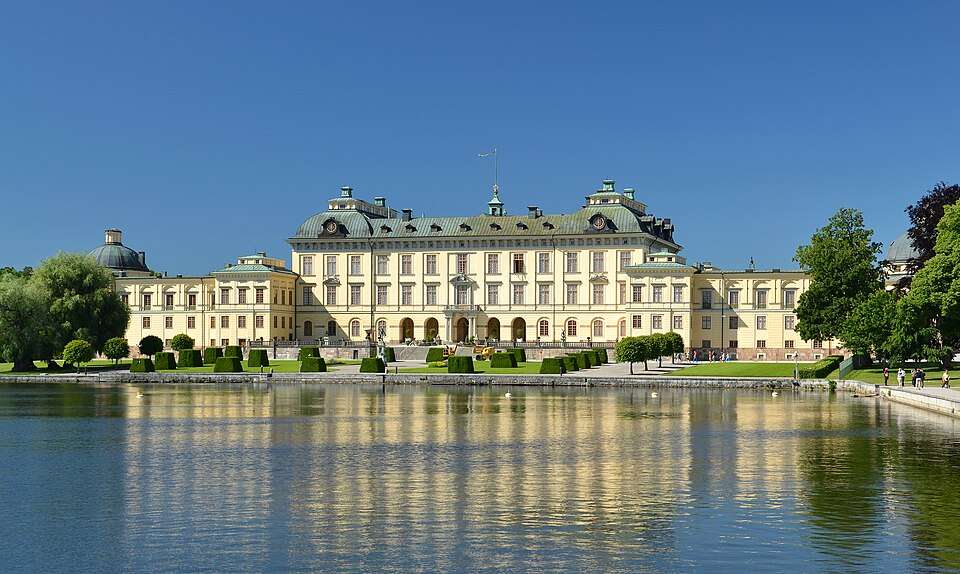
Drottningholm
The Boat Out, the 1766 Theatre
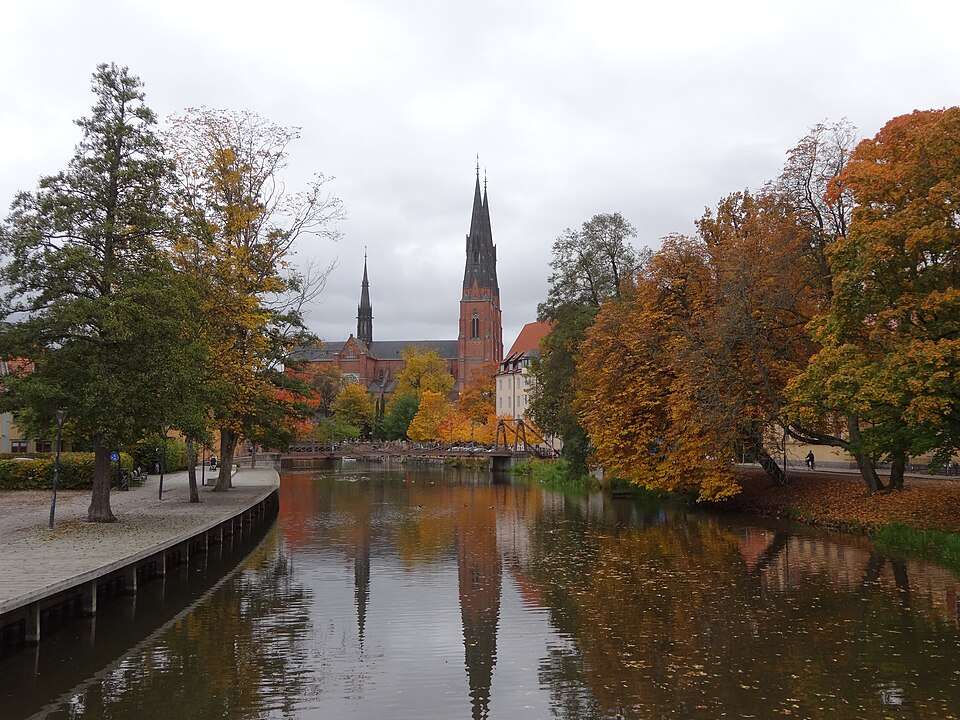
Uppsala
The Forty-Minute Train, Scandinavia’s Tallest Church
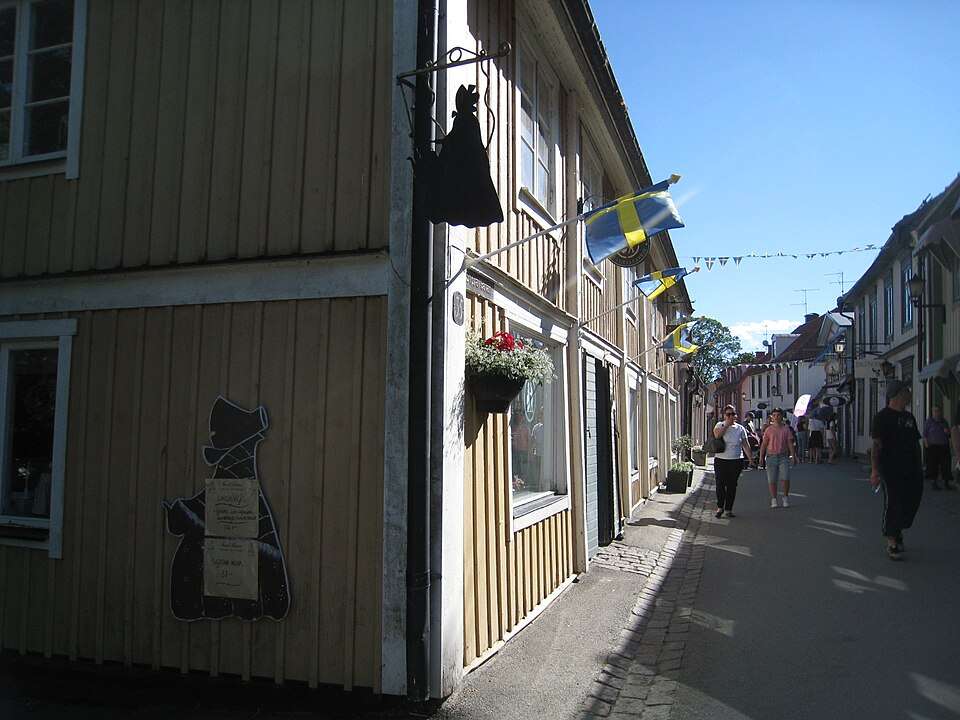
Sigtuna
Sweden’s First Town, the Rune Trail
The Archipelago — Pick One Island
The archipelago is the essential Stockholm experience, and the way to do it is simple: pick one island and give it the day. The “archipelago cruise” that loops past islands without landing is the weak version.
Pick by temperament. Vaxholm, an hour by boat, is the easy classic — the archipelago’s little capital, with a harbor fortress, a pastel wooden town, and cinnamon-bun cafés. It’s reachable year-round and right for first-timers and short days. Grinda, ninety minutes out, is the nature pick: a car-free reserve of swimming rocks, forest paths, and one inn. This is the archipelago as Swedes actually use it. Sandhamn, two-plus hours, is the far, glamorous one — the sailing capital at the outer edge, with open sea beyond. Treat it as a long summer day, or better, stay the night.
The Waxholmsbolaget public boats serve all three at honest prices. Summer is the full-schedule season. From June through August, wear a bathing suit under your clothes — it counts as standard equipment out here.
Read the full Vaxholm day-trip page.
Drottningholm — The Palace by Steamer
Drottningholm Palace is the royal family’s actual residence and Sweden’s UNESCO-listed answer to Versailles. Take the boat: it runs from the City Hall quay, an hour through Lake Mälaren, and the ride is half the trip.
The palace has baroque gardens and a Chinese pavilion at the garden’s end, but the crown jewel is the Court Theatre of 1766 — the world’s best-preserved 18th-century theater, where the original wooden stage machinery still works: wave machines, thunder boxes, cloud cars. Take the guided theater tour. If you can get a summer opera ticket here, take it; it’s one of Europe’s great niche experiences.
Half a day covers the palace and gardens, and the boat ride back, watching the city grow on the horizon, is the finale. In winter the palace stays open but the boats mostly stop. The metro-and-bus route works, but it loses the poetry.
Read the full Drottningholm day-trip page.
Uppsala & the Viking Mounds
Uppsala is forty minutes by train and stacks three eras into one compact day. Scandinavia’s largest cathedral holds the tombs of Gustav Vasa and Linnaeus. The university made the town Sweden’s Oxford, and its Gustavianum museum keeps a 17th-century anatomical theater under a dome — worth the visit on its own. Linnaeus’ garden, restored to his own planting plan, rounds out the town for the botanically minded.
Then ride ten minutes north to Gamla Uppsala, the old heart of pagan Sweden. Three great royal burial mounds from the 5th and 6th centuries rise out of flat farmland, on the ground where the sagas placed the temple, the kings, and the sacrifices. Give the mounds an hour. Three grass hills sound dull; standing on them is not. The site museum keeps the archaeology honest against the myth.
This is the best land-based day from Stockholm, and it works in any weather, any month.
Read the full Uppsala day-trip page.
Sigtuna & Birka — The Viking Choices
Two Viking-age options — choose by season.
Sigtuna, an hour by transit, is Sweden’s first town, founded around 980. It has one main lane of low wooden buildings, church ruins, a lake promenade, and more runestones than anywhere else on earth — many stand right along the main street. It’s a gentle half day, it has good fika stops, and it works in any month.
Birka is the older, bigger deal: the UNESCO-listed Viking trading town on an island in Lake Mälaren, reached by a two-hour boat that runs roughly May through September. It has a reconstructed village with working craftspeople, grave fields, and a museum built from the excavations. It’s a full day and a full immersion.
The sorting is simple. Children and Viking-serious visitors take Birka in season. Everyone else gets a better effort-to-charm ratio from Sigtuna.
Read the full Sigtuna day-trip page.
Mariefred & Gripsholm — The Castle Steamer
Mariefred is the gentlest day on this list, and in summer the transit is a museum piece. The S/S Mariefred, a coal-fired steamer from 1903, runs on Saturdays and summer schedules, taking three and a half hours up Lake Mälaren to the town.
Gripsholm Castle waits at the end: Gustav Vasa’s brick fortress with round towers, home of the national portrait collection and a perfectly preserved 18th-century theater of its own — Drottningholm’s little rival. The town beneath it is an idyll. Castle, waterside lunch, ice cream on the jetty.
The pragmatic version takes the train — an hour, via Läggesta, with a heritage narrow-gauge railway connection in season — and saves the steamer for one direction. This is a day for slowing down, not sightseeing. Save it for when you want an easy one.
Gamla Stan, the Vasa & the City
Start with the Vasa. The royal warship sailed 1,300 meters in 1628, sank in the harbor, and surfaced in 1961 almost intact — 98 percent original, a complete 17th-century world with its carvings still snarling. It is the best single museum object in Europe. Go at opening or late afternoon to miss the tour-group tide, take the free guided tour, and give it two hours. The rest of Djurgården is next door: Skansen, the world’s original open-air museum with historic Sweden plus Nordic wildlife (the right call with children), and the ABBA Museum, which is exactly as joyful as its subject and needs timed entry booked ahead.
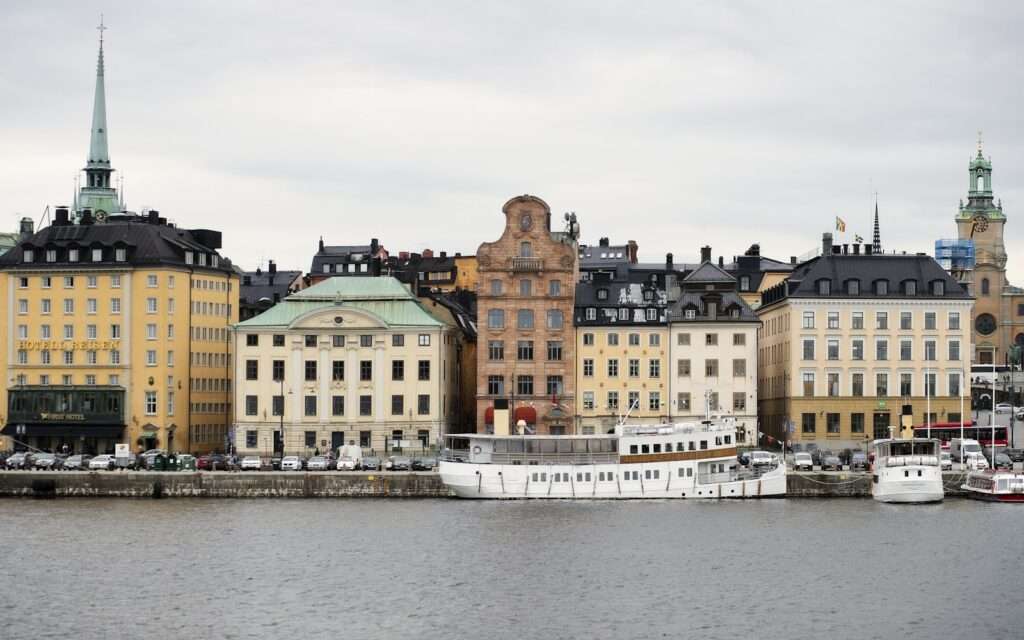
Gamla Stan, the medieval core, plays best early or in the evening. See the changing of the guard at the Royal Palace (midday, with a mounted band in summer), Stortorget’s gabled facades, and Mårten Trotzigs Gränd, the alley that narrows to 90 centimeters. City Hall runs tours of the Nobel banquet’s Blue Hall and the Golden Hall’s 18 million mosaic tiles; in season, the tower gives the city’s best view.
Two rituals to adopt. Fika is not coffee — it’s an institution: a proper konditori, a cinnamon bun, and no hurry. Vete-Katten is the classic room. And respect the seasons: June through August is the endless-light, boats-everywhere Stockholm the photographs promise, while November through January turns dark by mid-afternoon, and candles appear in every window. That’s a real atmosphere of its own — and the Vasa is just as good in December as in June.
Frequently Asked Questions
Which archipelago island should you visit from Stockholm?
Vaxholm for the easy year-round classic (one hour), Grinda for car-free nature and swimming (90 minutes), Sandhamn for the far sailing capital (a long summer day). Landing on one island beats any drive-past cruise.
How do you get to Drottningholm Palace?
By boat from City Hall in season — an hour through Lake Mälaren, and the ride is half the trip. The 1766 Court Theatre with its working stage machinery is the site’s masterpiece.
Is Uppsala worth a day trip from Stockholm?
Yes — 40 minutes for the cathedral, the university’s anatomical theater, and the royal burial mounds at Gamla Uppsala. It’s the strongest all-weather day on the list.
When can you visit Birka?
The boats run roughly May through September — two hours each way to the UNESCO Viking town, reconstructed village included. Off season, Sigtuna’s runestone-lined lanes are the year-round Viking fix.
How long do you need at the Vasa Museum?
Two hours, plus the free tour — and go at opening or late afternoon to miss the group tide. It’s the best-preserved 17th-century ship on earth and the one unmissable museum in Scandinavia.